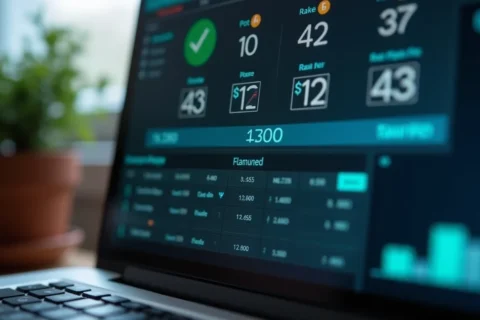
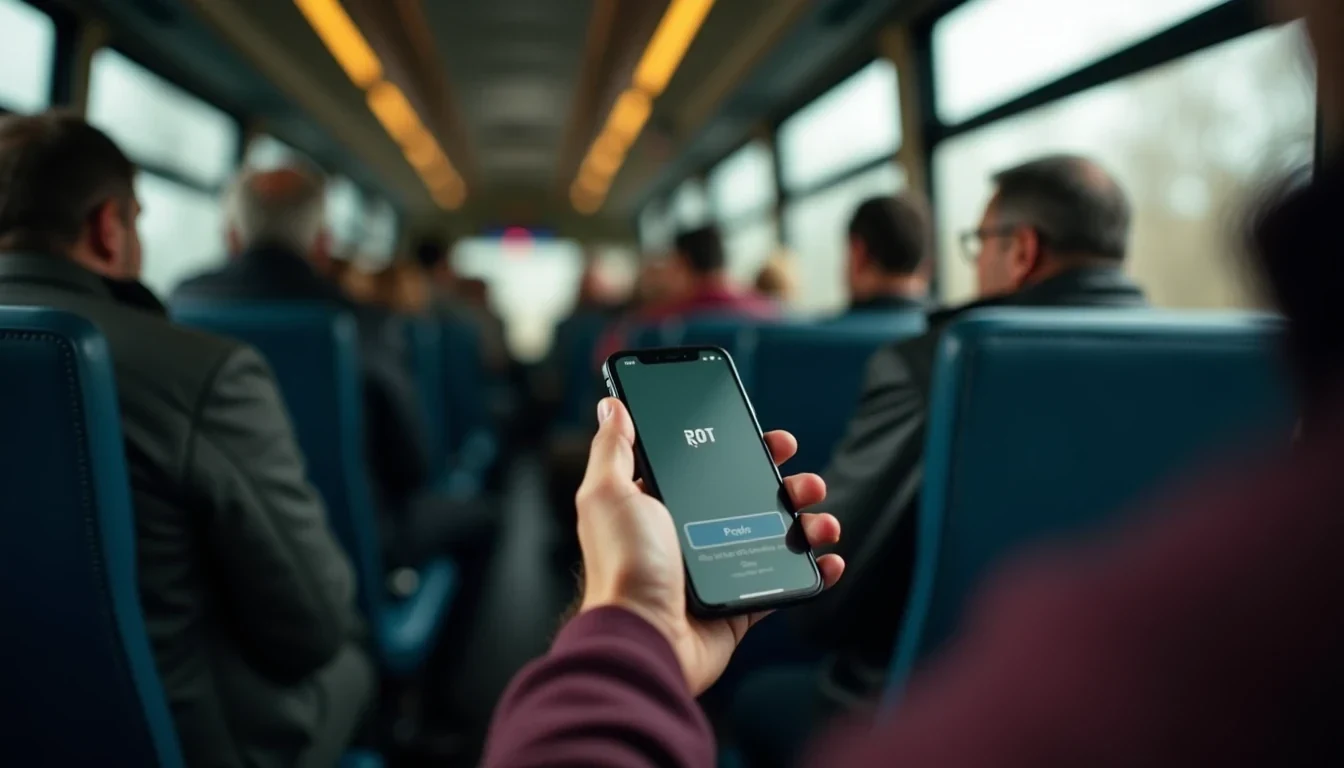
The player who just snap-called your river overbet with third pair is not a genius. They are on a bus, holding a coffee, and their thumb hit the wrong preset. Mobile poker has flooded online tables with opponents who are physically incapable of playing precise poker. Most regulars still treat them like desktop players who happen to be sitting somewhere else, which is a costly mistake. The interface itself trains specific, repeatable errors. Your job is not to guess who is on a phone; your job is to spot the behavioral residue of phone play, then build spots where that residue becomes a stack.
The Preset Button Problem
Mobile apps optimize for thumbs, not for thought. Bet sizing defaults to chunky presets: half pot, two-thirds, pot, all-in. A player on their couch with a mouse can type 2.7x or drag a slider to 74% pot. A player on a phone in portrait mode sees four fat buttons and a slider that demands two-handed precision they do not have. This results in a population tendency toward round, familiar sizings that feel safe because the interface made them easy.
Watch for opponents who size identically in structurally different spots. A player who bets two-thirds pot on a dry flop, a coordinated turn, and a river that completely changes the board texture is not balancing. They are pressing the same button. The exploit is to remove that button’s usefulness. Build pots where their preset sizing becomes absurd: overbet rivers after they have shown twice that their “pot” button is a reflex, or min-raise their two-thirds bet on the turn and force them to find a raise size with a slider they will not use. Most will fold or jam, and either tells you exactly what they have.
The Information Funnel
Portrait screens hide what desktop players see by default. Chat boxes, full hand histories, detailed stack sizes, and sometimes even player notes live behind menu taps that break flow. A mobile player who wants to check how you played the last three orbits must actively choose to stop playing and go digging. Most do not bother. They operate on what is visible: their cards, the board, the pot, and maybe one opponent’s stack if it is prominently displayed.
This creates players who are locally aware and globally blind. They know the pot odds on this street. They do not know you have three-bet their open four times in twenty minutes. They cannot see the table dynamic because the interface buried it. Exploit this by running the same line repeatedly against the same mobile opponent within a single session. They will not have the historical frame to recognize the pattern. By the time they might think to check a hand history, if they even know how, you have already changed tables.
Timing as a Tell
Desktop players develop fairly consistent timing patterns. They pre-action check, they hover before a bluff, they tank on close decisions. Mobile players inherit chaos. A notification pops, so they tank for forty seconds then fold. They step onto an escalator, so they snap-call. The app refreshes in the background, so they disconnect and reconnect, sometimes auto-folding a hand they would have played. These interruptions are structural to phone play.
Do not try to map every timing tell to a specific distraction. Instead, note the variance itself. A player whose decision time swings wildly between instant and eternal is managing external inputs you cannot see. The exploit is to apply pressure when their timing tightens, which usually means they are distracted or multitasking. A large turn bet after two streets of normal pace often hits a player who just sat down, who is now juggling a real-world task, and who will default to the fastest defensive action. That is usually a fold.
Forcing Complexity Late
The core principle is simple: mobile interfaces handle simple decisions well and complex decisions poorly. Early streets offer presets, visible cards, and clear pot odds. Late streets demand sizing reads, stack-depth adjustments, and multi-street planning that the phone interface does not support. A player who comfortably pot-controls on the flop with a preset button often falls apart on the river when no button captures the right move.
Your job is to survive to those streets with initiative. Call more in position against mobile-pattern opponents. Let them build the pot with their comfortable half-pot button. Then on the turn or river, when the board runs out ugly and their preset options are all wrong, apply the pressure they are not equipped to calculate against. The phone player who has been cruising on autopilot suddenly faces a spot where speed is not their friend. They will either time out, size comically wrong, or make the defensive play that the interface makes easiest. All three are profitable for you.
What Has Changed
Modern apps have closed some gaps. Built-in hand histories, landscape modes, and improved sliders let attentive mobile players approximate desktop competence. Do not assume every phone player is a mark. The leak is not the device; the leak is the simplified decision process the device encourages, and the recreational player who accepts that encouragement. A serious player on a tablet with a stylus and a quiet room is dangerous. A recreational player on a crowded train thumbing presets is not. Learn to tell the difference by what they do, not by what they might be holding. Then make them hold something they cannot play.